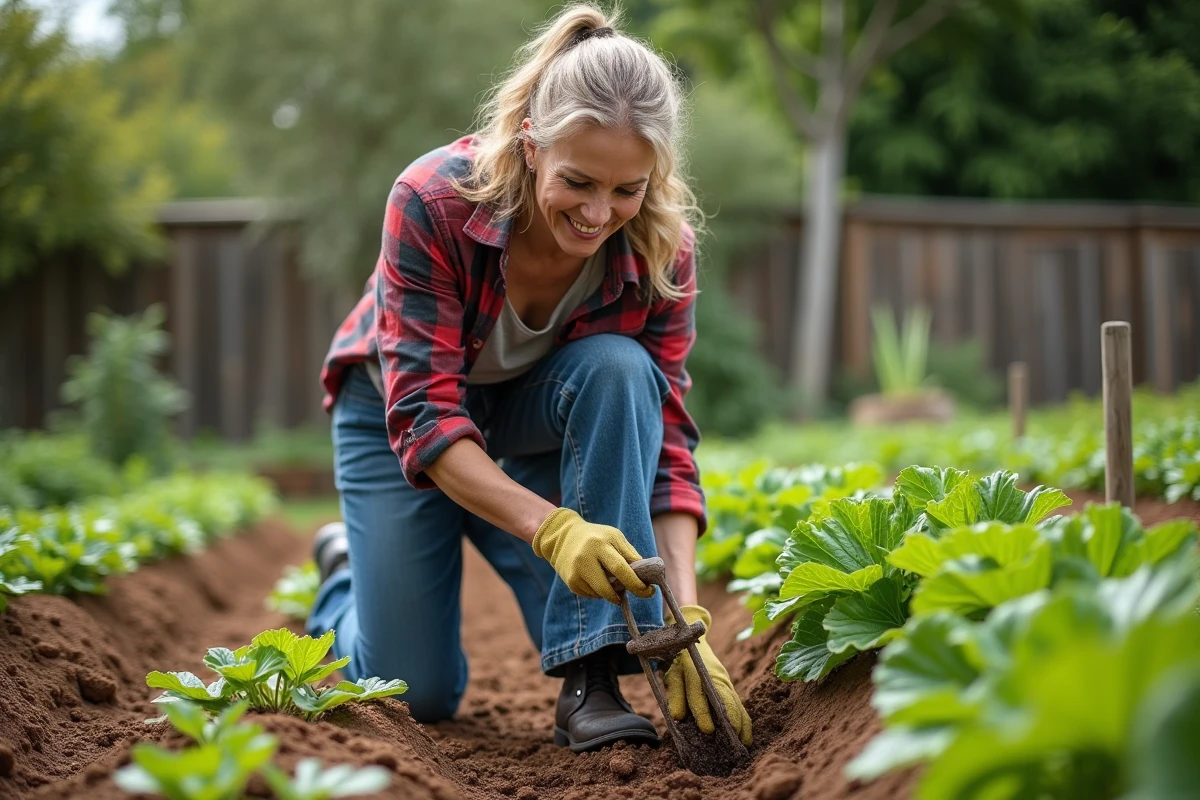
Tilling the soil is not a necessity. In many gardens, the grelinette stands out as an exception, but those who have adopted it quickly realize its subtle effectiveness. Here, there is no upheaval, no major disruption of the soil: this tool slips beneath the surface, gently lifts it, and leaves the underground life intact. Far from tools that mistreat the earth, the grelinette emphasizes the balance and vitality of the soil.
Heavy soils, often deemed inaccessible, respond particularly well to this respectful method. Choosing the grelinette means committing to a cultivation approach that is mindful of soil fauna and reducing chemical treatments, for gardening that combines productivity and respect for the environment.
Why the grelinette changes the game for a healthy and productive vegetable garden
Conceived by André Grelin, the grelinette has established itself as the reference tool for those who want a living and fertile soil. It is aimed at all gardeners seeking a generous vegetable garden, without sacrificing biodiversity or the structure of the land. Its operation is simple: by aerating without turning, it limits damage to underground life, encourages the circulation of water and air, and reduces compaction. The result: richer soil, easier to work, where roots anchor deeply and crops thrive.
Using the grelinette is part of a direct and pragmatic approach. No unnecessary movements, no excessive fatigue: its handling respects the microfauna while making the soil more welcoming for young shoots.
Here’s what one quickly notices when prioritizing this tool:
- Homogeneous aeration of the soil, allowing roots to dive without hindrance.
- Dynamization of microbial life, the foundation of natural fertility.
- Improvement in water management, which limits runoff and promotes absorption.
Manufacturers compete in ingenuity to offer sturdy, ergonomic models suited to every garden. To delve deeper into the subject, the Grelinette Warrior dossier dissects the technical advantages and performances of several references, a useful guide for selecting the grelinette that meets your needs, whether you cultivate a small plot or a large vegetable garden. The grelinette is not just a tool: it is a way of rethinking the work of the earth, focusing on sustainability and soil health.
Which model to choose according to the nature of your soil, especially in the case of clay soil?
Every soil has its requirements, and the grelinette must adapt to these particularities. With clay soil, heavy and compact, the choice of tool becomes strategic. This type of soil often requires more effort, hence the interest in prioritizing a grelinette with three or four tines. Its smaller size, robustness, and maneuverability allow for easier penetration of clay and limit fatigue during soil work.
For lighter, sandy, or already well-structured soils, a five-tine grelinette offers a commendable working width without making the task heavier. But on clay, it’s better to opt for a narrower model. The choice of handle also matters: prefer a stable and comfortable tool that facilitates precise movements without straining the joints.
Several criteria should be weighed to make the right choice:
- Number of tines corresponding to the density and texture of the soil
- Sturdiness and resistance to tackle difficult terrains
- Comfort of use, suited to the size of your plot and your morphology
The quality of the steel, the angle of attack of the tines, and the finish of the welds determine the longevity of the tool. Regular maintenance ensures consistent performance and prevents clogging. For all those cultivating on clay, the grelinette quickly becomes indispensable: it lightens the work, aerates the soil, and allows for a more serene and less tiring approach to vegetable gardening.
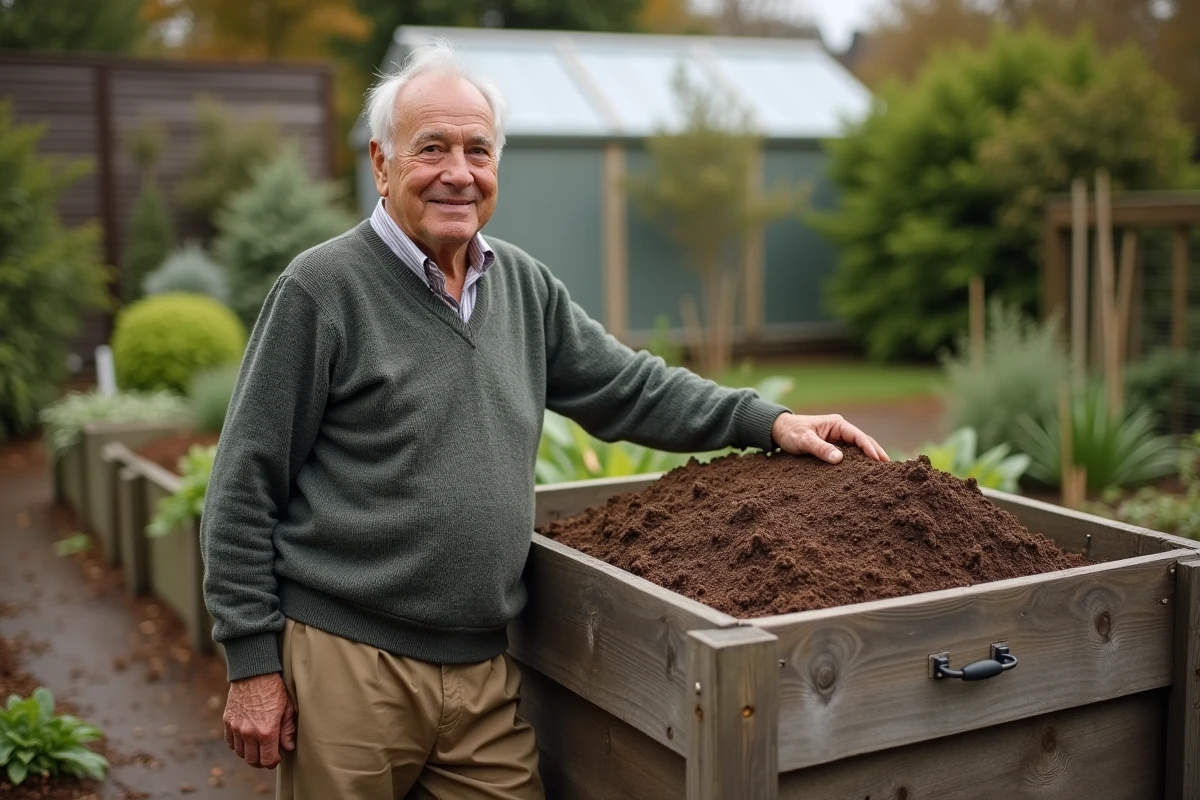
Ecological gardening: preserving biodiversity through simple and respectful actions
Ecological gardening focuses on preserving soil life and promoting abundant biodiversity. Every choice, every intervention has an impact: from soil work to crop selection, everything matters to maintain the balance of the vegetable garden. The grelinette, by avoiding harsh turning, supports soil structure and protects microbial life, the basis of sustainable fertility.
To enrich the soil without resorting to synthetic products, several simple levers exist:
- Sowing green manures like phacelia, mustard, or clover to cover the soil, limit erosion, and naturally nourish the soil after their incorporation.
- Installing a mulch with straw, dead leaves, or shredded materials to retain moisture, temper the soil, and provide shelter for microfauna.
Water conservation quickly becomes a priority. Installing a rainwater collector allows for watering without waste, while making the vegetable garden more self-sufficient. Crop rotation also proves valuable for preserving soil vigor and avoiding the exhaustion of plots. This technique strengthens the natural resistance of vegetables and supports abundant harvests year after year.
Adopting these actions is to provide each plant, each inhabitant of the soil, with a conducive environment. Gradually, diversity settles in, the soil gains vitality, and the gardener’s pleasure is renewed. Who would have thought that a simple tool like the grelinette could open the door to such a vibrant vegetable garden?