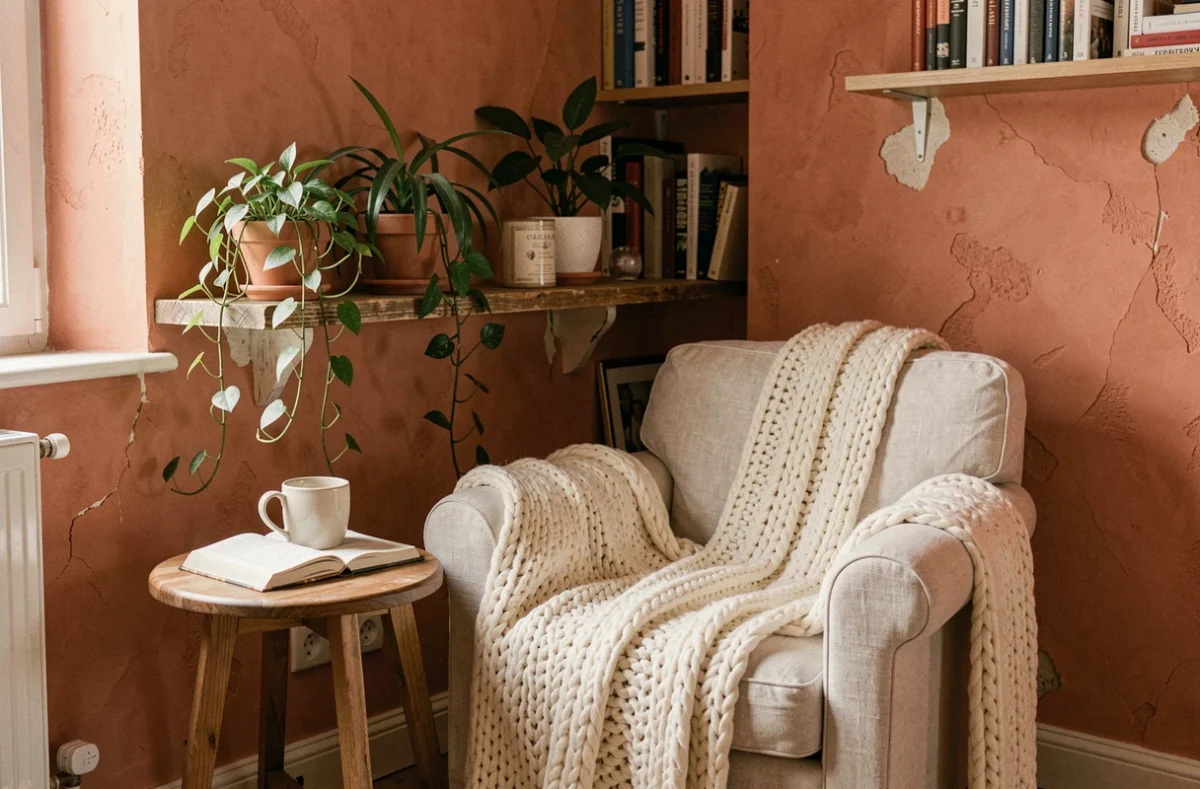
Transforming a house into a cocoon is not just about piling blankets on a sofa. Behind the sought-after cocooning atmosphere lie concrete choices: indoor air quality, thermal comfort in all seasons, and the selection of materials that do not pollute the space. These technical parameters condition real well-being as much as decoration does.
Indoor air quality: the invisible trap of a too-closed cocoon
A cozy interior naturally encourages sealing. Thick curtains, repaired joints, rarely opened windows: heat is retained, but the air deteriorates. New furniture, candles, and paints emit volatile compounds that accumulate in a poorly ventilated space.
Decree No. 2002-120 of January 30, 2002, mandates that a decent housing unit must have sufficient ventilation to renew the air and expel humidity. The Ministry of Ecological Transition recommends airing out for at least ten minutes morning and evening, even in winter.
Before seeking the perfect ambiance, it is essential to check the state of the ventilation system. Regular maintenance of extraction vents and air inlets prevents the cocoon from turning into a confined space. Several professionals advise having the ventilation system checked before each cold season, when windows remain closed for longer. To access Scoopium.fr home and explore other topics related to housing, the process often starts with these checks that decoration alone cannot resolve.
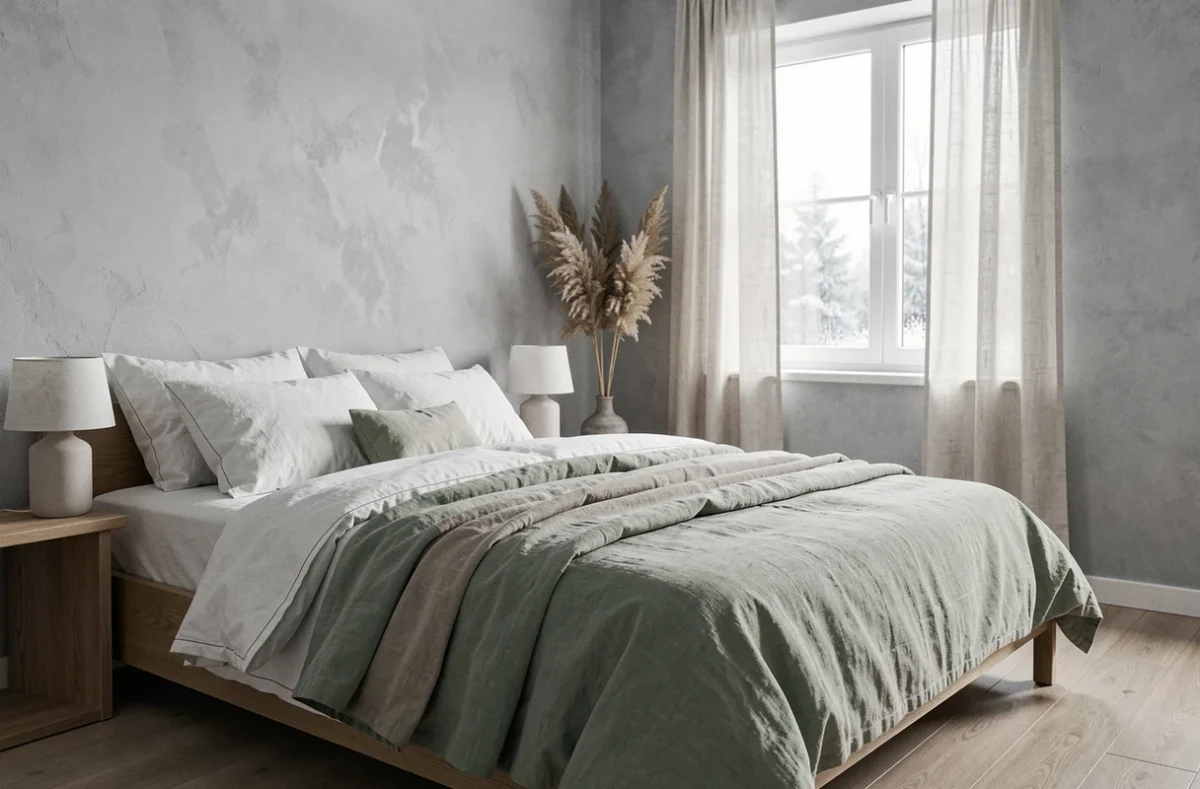
Summer comfort and insulation: a cozy home all year round
The quest for a cocoon often focuses on winter. Warm materials, soft lighting, and enveloping colors dominate the inspirations. However, summer comfort remains a frequent blind spot.
Insulation alone does not guarantee a pleasant home during extreme heat. External sun protection, closing shutters during the day, and nighttime ventilation must be considered together. A perfectly insulated interior without air circulation becomes stifling as early as June.
Thermal insulation: gains sometimes lower than promised
A joint analysis by Insee and SDES, published in 2025, observes a gap between modeled energy savings and actual consumption measured after insulation work carried out between 2018 and 2024. Field results diverge from theoretical projections.
This finding advocates for a holistic approach: combining insulation, heating adjustment, ventilation, and daily behaviors rather than betting everything on the building envelope. An effective thermal cocoon relies on this balance, not on a single area of work.
Materials and cocooning decoration: choosing without polluting your interior
The choice of materials is the most visible lever for creating a cozy atmosphere. Linen, wool, raw wood, thick cotton: these textures provide immediate visual warmth in both the living room and the bedroom. However, their impact on air quality deserves evaluation.
- Synthetic textiles (polyester, acrylic) emit more volatile organic compounds than natural fibers, especially when new. Washing covers, throws, and curtains before first use reduces this exposure.
- Furniture made from particle board contains glues that emit formaldehyde for several months. Opting for solid wood or E1-rated panels limits this risk.
- Scented candles and incense, prevalent in the cocooning universe, generate fine particles. Using them with a window slightly open or opting for cold diffusers is an alternative.
A cozy interior and healthy air are not mutually exclusive, provided that materials are selected with as much care as colors.
Light and ambiance: beyond simple soft lighting
Light structures the atmosphere of a room more than any piece of furniture. Multiplying low light sources (table lamps, string lights, downward-facing wall sconces) creates soft shadow zones that add depth to the space.
The color temperature matters as much as intensity. For a living room or bedroom, bulbs around 2,700 kelvins reproduce a warm light close to that of a candle, without the downsides for air quality. Varying light heights transforms a room more than a change of paint.
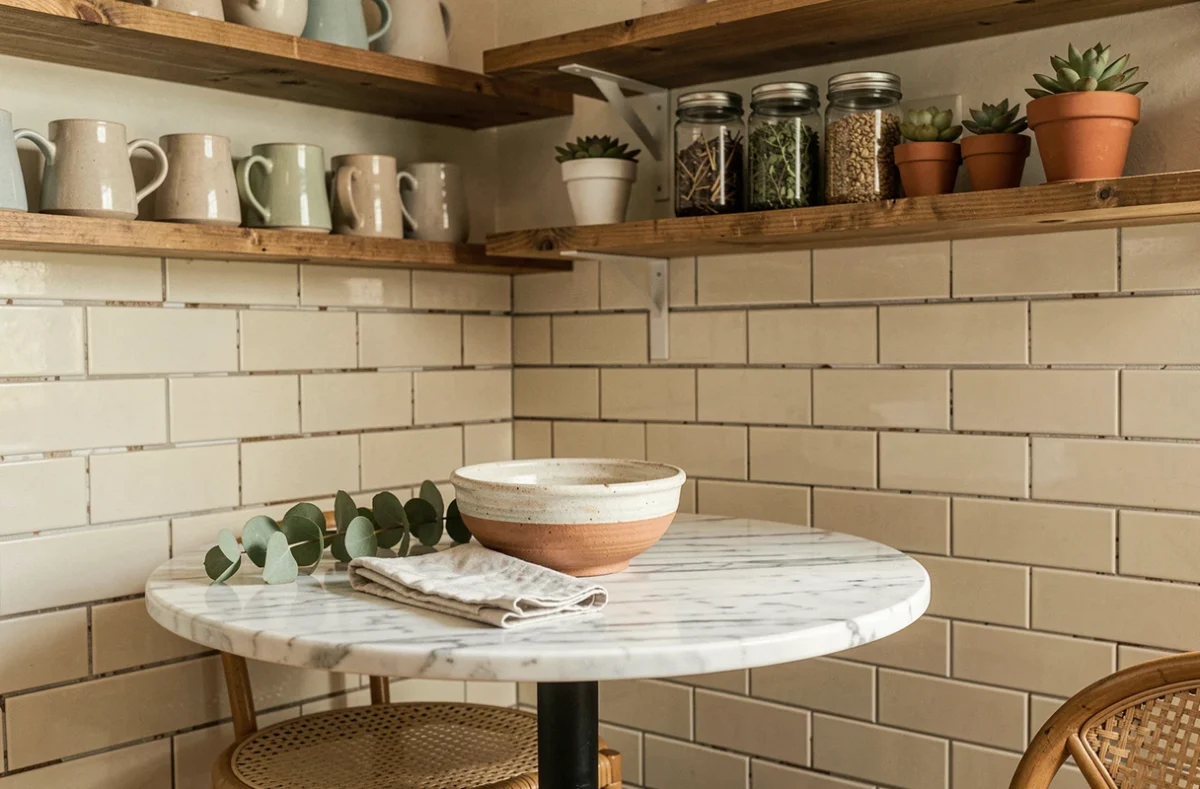
Storage and space: decluttering as the foundation of the cocoon
An overloaded interior never becomes a cocoon, regardless of the quality of textiles or lighting. Storage is not a secondary issue to decoration: it is the foundation. Every visible object in a room produces a micro-visual solicitation. Beyond a certain threshold, the cocooning effect disappears in favor of a feeling of saturation.
Reducing the number of exposed objects by half often produces a more spectacular effect than a decorative purchase. Closed storage (buffets, chests, lidded baskets) hides the everyday without sacrificing accessibility.
In a bedroom, clearing the bedside table and the top of the dresser can sometimes radically change the atmosphere. The bed, becoming the sole focal point, regains its function as a refuge.
Energy renovation and cocoon: what RE2020 changes
For new constructions, the environmental regulation RE2020 now incorporates summer comfort into its requirements. New homes must limit the number of degree-hours of summer discomfort, which pushes builders to plan for sun protection and appropriate ventilation from the design stage.
This regulatory evolution brings the notion of a cocoon closer to that of the overall performance of the building. A home designed according to RE2020 integrates thermal comfort in both winter and summer. For older homes, field feedback shows that step-by-step renovation yields variable results: available data do not always allow for predicting actual savings, which invites combining several levers rather than relying on a single diagnosis.
Transforming your house into a cocoon involves both technical and aesthetic choices. Properly renewed air, healthy materials, well-thought-out lighting, and a decluttered space form a foundation upon which decoration makes complete sense. The throws and candles come afterward.