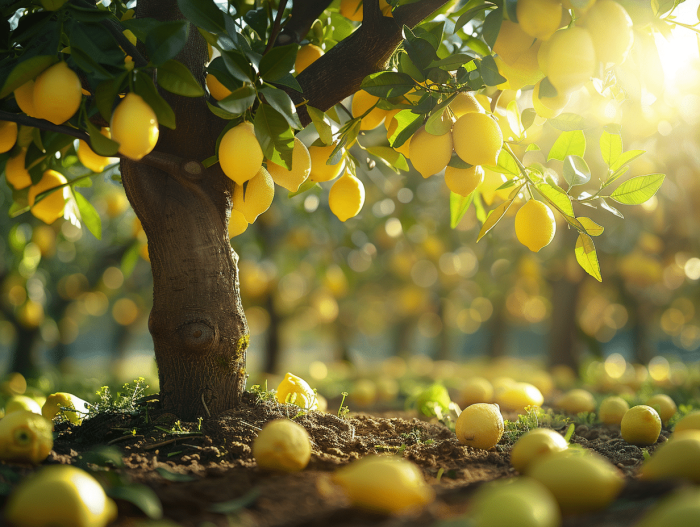
Growing a lemon tree can be both rewarding and delicate. These fruit trees, favorites among gardeners for their intoxicating fragrance and juicy citrus, are also prone to various problems. They can suffer from nutritional deficiencies, fungal diseases, and insect infestations, among other challenges. Faced with yellowing leaves, misshapen fruits, or stunted growth, you must accurately diagnose these symptoms to apply the appropriate remedies. Eco-friendly solutions and suitable cultivation practices can enhance the health of your lemon tree and ensure a bountiful harvest.
Diagnosis and Treatment of Lemon Tree Diseases and Pests
Lemon Tree: Yellow Leaves, a recurring symptom, often attributed to pests such as the Asian citrus psyllid. This scourge, due to its voracity, starves the tree by consuming its sap, leaving behind a sticky honeydew. To counter this threat, consider applying appropriate insecticides or introducing natural predators like ladybugs, which regulate the population of these harmful insects without harming the surrounding ecosystem.
The presence of a cottony substance on the leaves and fruits is a sign of an infestation of mealybugs. This insect, by feeding, depletes the lemon tree and hinders its development. Solutions here involve the use of insecticides, but also biological control methods, involving the use of natural predators and eco-friendly solutions to restore balance.
Nutritional deficiencies, particularly in nitrogen and magnesium, also manifest as yellowing of the leaves, between the veins for magnesium, and on older leaves for nitrogen. The depleted soil no longer provides the essential elements for the tree’s vigor. The answer lies in the application of specific fertilizers, rich in these nutrients, to restore leaf health and support the growth of the lemon tree. Be careful with the balance of your fertilization to prevent fruit drop and curling leaves, symptoms of an imbalance that can be caused by inappropriate fertilization, irregular watering, or temperature fluctuations.
Preventive Methods and Maintenance for a Healthy Lemon Tree
Fertilization, an essential element of prophylactic management, remains a cornerstone of your lemon tree’s health. The use of a specific fertilizer for citrus or a balanced universal fertilizer promotes the harmonious development of the tree. Special attention should be given to adjusting nutrient inputs, thus avoiding harmful excesses. Ensure to follow a rigorous fertilization schedule that aligns with the tree’s growth cycle and prevents imbalances responsible for fruit drop or leaf curling.
Regarding irrigation, regular watering is essential, while avoiding excess water that can lead to root asphyxiation. Good drainage is indispensable to prevent water stagnation and the diseases that arise from it. Adjusting the frequency and volume of water according to the seasons, climate, and tree growth helps maintain an optimal moisture level, essential for the vitality of the lemon tree.
Annual pruning plays a crucial role in disease prevention and stimulating fruiting. By removing dead or diseased branches and aerating the tree, you promote access to light and air circulation, thereby reducing the risks of fungal diseases and pests. This practice should be carried out judiciously to avoid weakening the tree, removing only what is necessary and respecting the natural shape of the lemon tree.