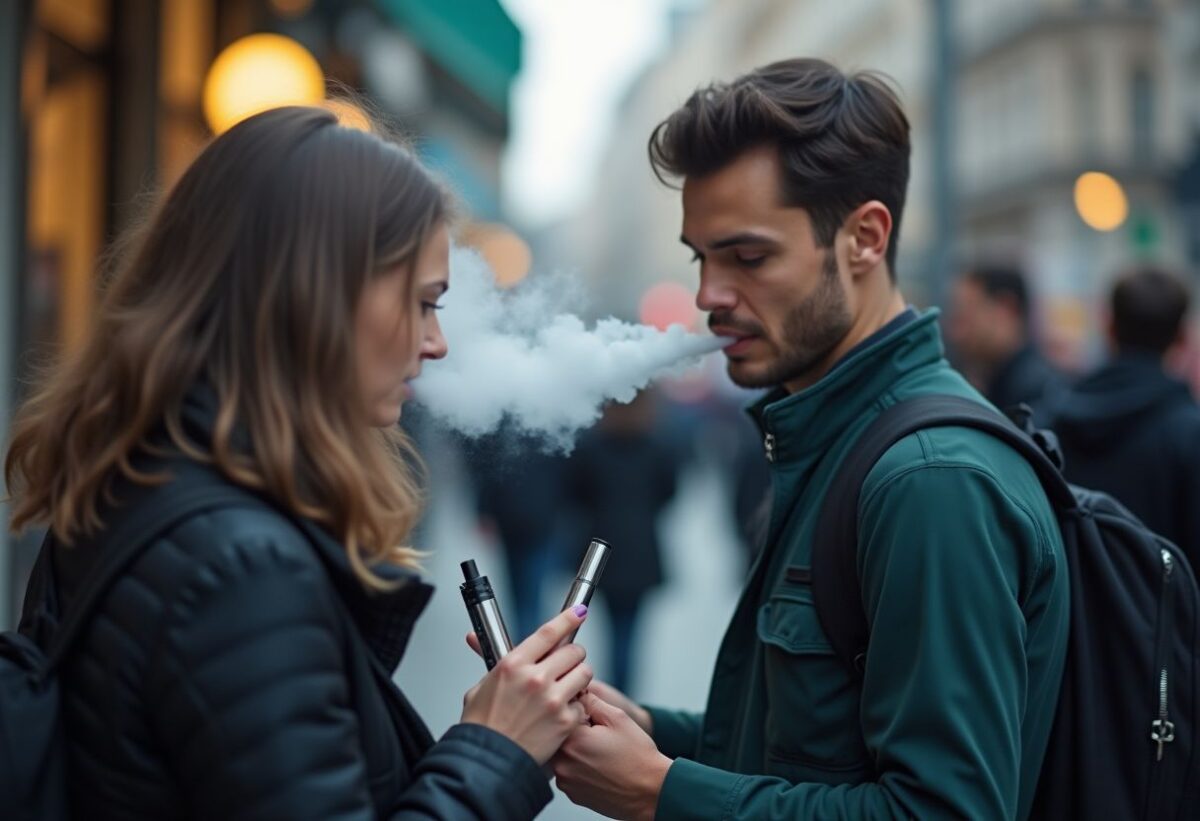
Vaping devices, and in particular puffs, have invaded our daily lives, quickly becoming ubiquitous companions for a large part of the population. But what does this sudden enthusiasm for this small device reveal? And more specifically, what does the frequent activation of a puff mean? Is it an obvious sign of a technical problem, or does it hide something more insidious? To answer these questions, it is crucial to explore the various aspects of this phenomenon, from potential technical anomalies to behavioral and psychological meanings.
Understanding how a puff works
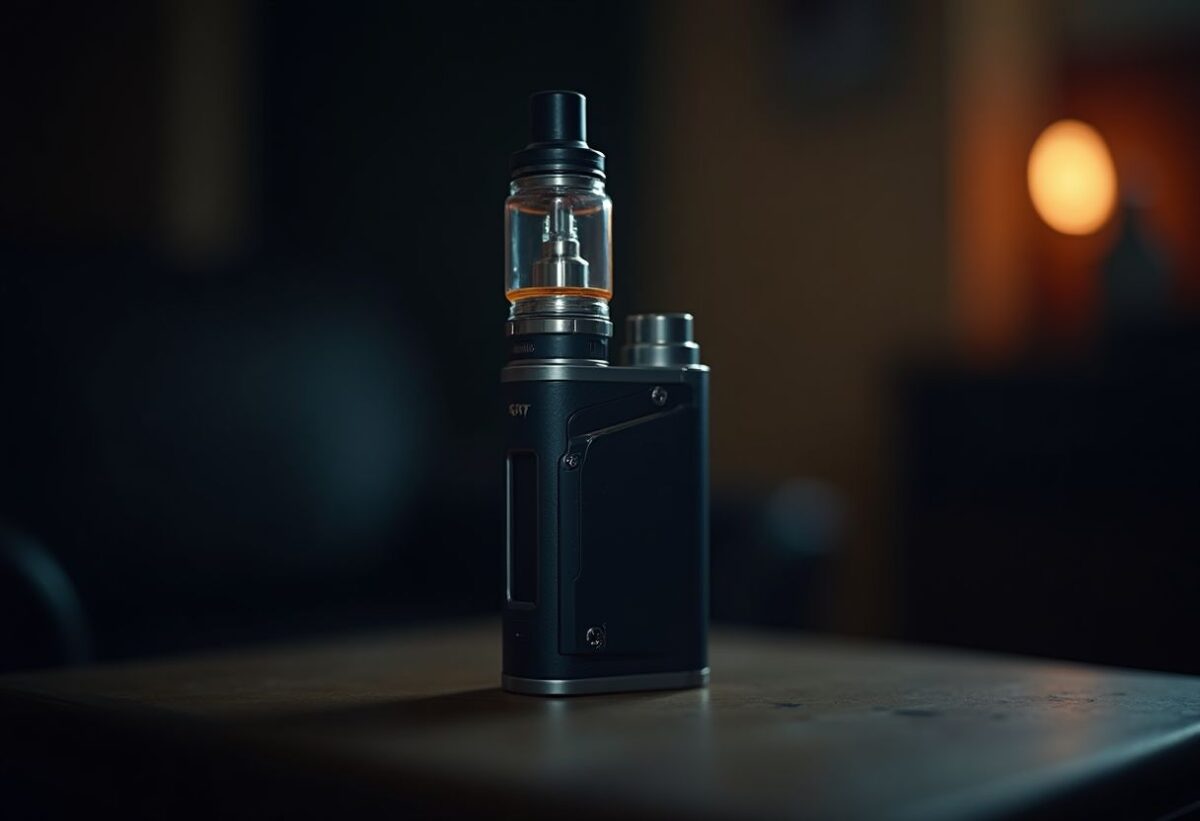
Before addressing the possible causes of repeated activation, it is essential to understand how a puff works. This small device, although compact, is the result of complex engineering and advanced technologies.
- The battery: powers the device and triggers the heating of the element that vaporizes the liquid.
- The atomizer: a key element that heats the e-liquid to turn it into vapor.
- The e-liquid: contains the flavors and nicotine, found in an integrated cartridge.
- The sensor: detects the user’s inhalation and activates the atomizer.
Frequent activation may be due to a failure in one of these components or a malfunction of the sensor, which could interpret movements or changes in pressure as an inhalation.
When faulty technology disrupts the user
It is fascinating to see how a simple technical failure can become the center of concerns for a puff user. Electronic malfunctions are not uncommon, and the vaping industry is no exception to this reality.
Puffs can sometimes activate unexpectedly, without any inhalation being performed. This may indicate a defective circuit or an incorrect connection between the atomizer and the battery. Manufacturing errors or premature wear of components, particularly the battery, can also play a role. If your puff seems temperamental, it could be a cry for help from your device, signaling a need for repair or replacement. But it is also possible that these issues are just part of the equation.
User behavior: an often overlooked aspect
Alongside technical considerations, it is crucial to analyze the role of the user in the frequent activation of a puff. Indeed, human behavior and consumption habits can have a significant impact.
In a world where stress and anxiety are omnipresent, the puff often becomes an easily accessible refuge. Compulsive use or the habit of bringing the puff to the mouth during moments of tension can lead to more frequent use than necessary. Additionally, unconscious movements or excessive handling can inadvertently activate the sensor, resulting in unwanted activation. These gestures, although often unintentional, can cause overuse that could be mistaken for a malfunction.
The psychological implications of excessive use
Beyond the technical and behavioral dimensions, the frequent use of a puff also relates to psychological considerations. Anxiety and the need for comfort can lead to overconsumption, often in response to emotional triggers.
- Addiction: regular use can evolve into a form of dependence, where merely seeing a puff evokes an irresistible urge to vape.
- Escape: vaping can serve as a means of escape to cope with stressful or unpleasant situations.
- Seeking comfort: the ritual of vaping can provide a sense of calm and security to those who are accustomed to it.
These behaviors, while seemingly innocuous, can reinforce frequent activation, revealing not a problem with the device, but a human need for soothing.
This phenomenon, while concerning for some, highlights the interconnection between the individual and technology. The frequent activation of a puff is not solely a technical issue but also a mirror of human behaviors. It invites deeper reflection on the enthusiasm for these devices and their role in our modern lives, where the frantic pace and high expectations often fuel an incessant quest for relaxation and comfort.